We only Deliver Locally
Delivery Fees are calculated at
the Checkout Page

Pickups from Outlets
No Pickups from our Property
We Don't Wholesale or Export
SOUTH GIPPSLAND HONEY OUTLETS
HONEY TASTING
Manuka Honey Health Benefits

The Manuka bush
(Leptospermum Scoparium)
is found in remote parts of Tasmania and New Zealand. It is only found in
Australia and New Zealand. Indeed, “Evidence suggest that Leptospermum
scoparium originated in, and dispersed relatively recently from eastern Australia to New Zealand.”
Manuka honey has long been reputed for its antibacterial properties. Indeed, in 2006, the naturally occurring
compound, Methylglyoxal, was identified as the dominant antibacterial constituent of Manuka honey. Tasmanian
Manuka Honey takes great care to ensure the purity of their manuka honey, and its Methylglyoxal content has been
measured and is enjoyed for its eating quality as well as its other benefits
Nutrition Facts
What makes Manuka honey unique and so valuable is its nutritional profile.
It’s a rich source of vitamins, enzymes and antioxidants such as phenolic compounds.
Within this type honey you’ll find:
- Carbohydrates/sugar (accounting for more 90 percent of honey’s weight)
- Compounds such as methylglyoxal (MGO) and hydrogen peroxide
- Enzymes, such as as diastase, invertases, glucose oxidase
- Amino acids, the “building blocks” of protein
- B vitamins (B6, thiamine, niacin, riboflavin, pantothenic acid)
- Organic acids
- Trace minerals and electrolytes, such as calcium, potassium, folate, phosphorus and others
- Flavonoids and polyphenols
- Alkaloids and glycosides
- Volatile compounds
Manuka Health Benefits
Supports Digestive Health
(Helps with SIBO, Low Stomach Acid and Acid Reflux)
Small intestine bacterial overgrowth (SIBO), low stomach acid and acid reflux go hand
in hand. Because of the natural antibiotic and antibacterial properties found
in Manuka honey, it is a great medicine for any bacteria-related digestive disorder.
In fact, in a recent study, one dangerous bacteria related to all three conditions, Clostridium
difficile, was found to be quite susceptible to Manuka honey’s bactericidal effects.
Thus, taking it may be very beneficial at reducing acid
reflux and balancing your digestive system to heal stomach and intestinal imbalances.
Promotes Skin Health
While there are few clinical trials to support claims that raw honey heals acne, if we take into account its
antimicrobial and healing properties, it makes sense that it would help with a variety of skin conditions.
One review focused on Manuka’s effects in treating atopic dermatitis found that it “is potentially
effective in the treatment of AD lesions based on both clinical and cellular
studies through different mechanisms,” however this still need to be confirmed by randomized trials.
A clinical study in children also found that extracts of tualang honey, similar to manuka,
were effective in stopping the growth of a keloid scar.
Manuka is also widely used as a milia treatment. Milia are small, white bumps that appear on the
skin, often under the eyes or around the cheeks. Manuka can be of mixed with cinnamon and
applied in a thin layer to skin for 10–15 minutes to help reduce signs of inflammation and bumps.
A number of studies also show that Manuka may support healing of wounds.
While you can try this at home, it’s best to avoid applying it to open or serious wounds.
May Help Treat Infections
Researchers have discovered that Manuka honey can defend against proliferation of destructive bacteria,
as it naturally exhibits antimicrobial activity against a spectrum of microbes, including those with multi-drug resistance. Its antibacterial effects seem to be due to the honey’s low pH, ability to dehydrate bacteria due to the presence of MGO, and phytochemical content.
MGO is regarded as the major antimicrobial constituent of Manuka, which makes it unique among honey varieties.
It may even downregulate the most potent genes of the MRSA bacteria (methicillin-resistant Staphylococcus aureus),
considered a “superbug” that causes patients to become very sick, and to resist the effects of commonly used antibiotics.
Some scientists now suggest that regular topical use of this honey on cuts and infections
(especially in the hospital and nursing home setting) may keep MRSA naturally at bay.
Can Help Treat Burns, Wounds and Ulcers
Bandages containing Manuka are available both over-the-counter and by prescription to help with wound care.
Many research studies have found evidence that honey can help to
treat wounds and provide pain relief among people suffering from mild to moderate burns and wounds.
Some of the reasons this honey is used in wound care is because of its acidic nature/low pH, plus
antioxidant, anti-inflammatory and antimicrobial effects.
Research shows it can to stimulate tissue regeneration, facilitate wound debridement, reduce
inflammation, and decrease swelling.
Manuka has also been shown to prevent infections due to ulcers in certain animal studies and to block the
growth of a specific type of bacteria that cause stomach ulcers in humans.
May Prevent Tooth Decay and Gingivitis
Several studies have demonstrated that Manuka can help to treat and prevent
gingivitis and periodontal disease.
Due to its antimicrobial activity, researchers from the School of Dentistry at the
Chewing or sucking on Manuka products not only caused a 35 percent decrease in plaque, but
led to a 35 percent reduction in bleeding sites in people suffering from gingivitis.
The calcium, zinc and phosphorus found in Manuka honey are also all important nutrients for healing teeth.
May Aids IBS and IBD Treatment
When evaluating the effect that Manuka has on experimentally induced inflammatory bowel disease in rats,
researchers involved in one study had some astounding findings:
Manuka provided protection against, TNBS-induced colonic damage
All the treated groups showed reduced, colonic inflammation, and all the biochemical parameters were,
significantly reduced compared with the control in the honey treated groups.
Manuka helped restore lipid peroxidation, as well as improved antioxidant parameters.
In the inflammatory model of colitis, oral administration of Manuka significantly reduced colonic inflammation.
It also helped decrease pain and seems to protect against free radical damage.
Can Help Reduce Sore Throats
Some research has shown that Manuka can stimulate immune cells and cytokine production in humans,
potentially increasing immunity against certain pathogens and illnesses.
One study found that Manuka stops the growth of sore throat-causing Strep bacteria.
It’s no wonder then that so many people benefit almost instantly from taking a spoonful of honey when they don’t feel well.
Recently it has even been approved by the National Cancer Institute to be used to treat inflammation in the throat from chemotherapy.
Can Help Reduce Seasonal Allergies
Taking Manuka on a regular basis may potentially help your seasonal allergy symptoms
and lessen your need for medications.
Beauty Treatment and Health Booster
Taken daily, Manuka has an elixir effect that can boost energy, support detoxification and possibly
help to improve skin tone and texture.
Use it in a homemade face wash to exfoliate and fight free radicals in the skin.
Use it in your shampoo or make a nourishing mask that’ll add shine of your hair.
Another favorite use is in a detox drink to get the most benefits inside and out.
May Improve Sleep
Manuka may help to promote restful deep sleep, working as a natural sleep aid.
It slowly releases the glycogen needed for essential bodily functions during sleep.
Adding honey to milk at bedtime helps the body release melatonin into the brain, which is necessary for deep sleep.
There are many health disorders associated with poor sleep, such as heart disease, type II diabetes,
stroke and arthritis. Since honey is proven to aid in quality sleep,
it could potentially help reduce the risk of these and many other heath problems.
May Reduce Symptoms of Cystic Fibrosis
Cystic fibrosis is a genetic disorder that causes a specific type of protein to malfunction,
leading to an overproduction of thick mucus that can clog the lungs and increase the risk of respiratory infections.
Promising research shows that Manuka honey could potentially help kill off bacteria to fight off infection, especially in those with cystic fibrosis.
According to a study published in the Archives of Microbiology,
Manuka honey was able to block the growth of Pseudomonas aeruginosa and Burkholderia
spp, two strains of bacteria that can be especially problematic for thosewith cystic fibrosis.
The ratings you see on the Manuka Jars come from measuring the Methyglyoxal content
the higher the rating the more Health Benefits
Information From https://draxe.com/nutrition/manuka-honey-benefits-uses/
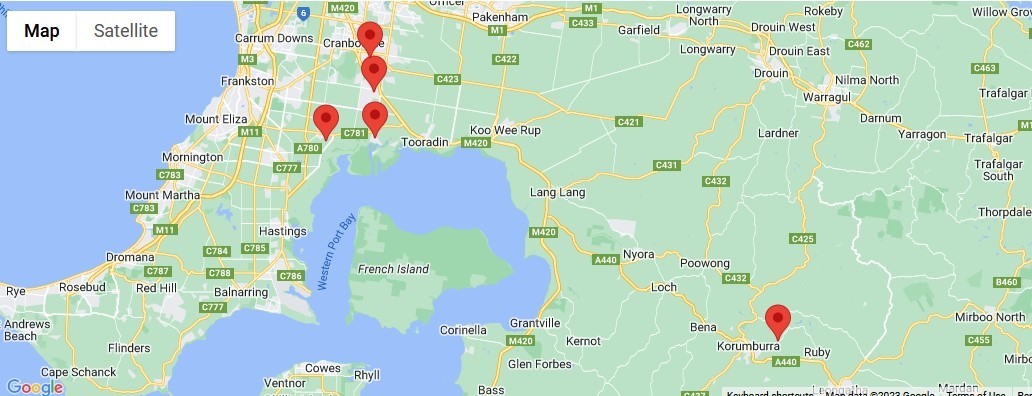
Apiaries
South Gippsland,
Devon Meadows,Cranbourne
Registered Beekeeper
Contact
South Gippsland Honey P/L

Pr 24:13
Eat honey, my son, for it is good; honey from the comb is sweet to your taste
John:3:16
© copyright South Gippsland Honey P/L